
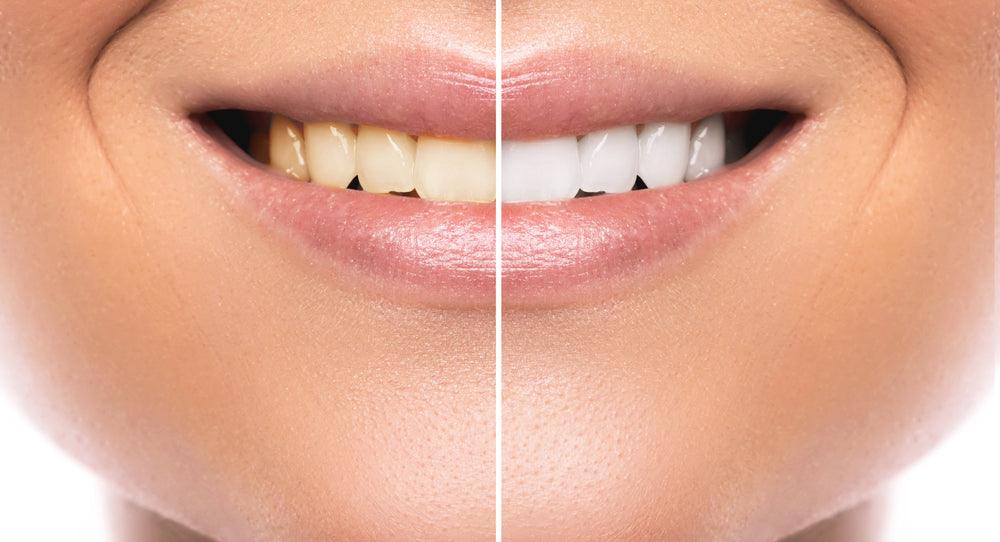
The main teeth whitening options are in-chair whitening at the dentist, take-home trays from a dentist, LED whitening kits, whitening strips and whitening toothpaste. Dentist whitening is the most supervised and the most expensive, at around $600; at-home kits and strips cost less and fit around your day; whitening toothpaste helps with surface stains but will not change your natural shade. The right option depends on your teeth, your budget and how much time you have.
Whichever you choose, start with healthy teeth and gums. healthdirect does not recommend whitening if you have sensitive teeth, gum disease, cracks or holes in your teeth, or untreated dental problems, and suggests talking to your dental professional first.
Teeth whitening options at a glance
| Option | Pros | Cons | Best for |
|---|---|---|---|
| In-chair whitening at the dentist | Fastest result, supervised by a dental professional | Around $600, appointment needed | A big change in one visit |
| Take-home trays from a dentist | Custom-made trays, gel strength set for you | Similar cost, slower than in-chair, appointments | Dentist supervision at home |
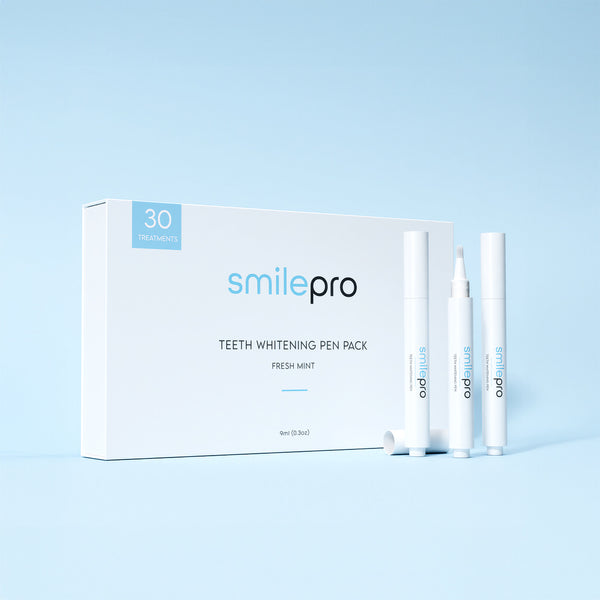
| LED whitening kit | 10 minutes a day at home, up to 8 shades whiter in 7 days (SmilePro) | A daily routine for a week, then top-ups | Your first course at home |
| Whitening strips | No light or trays, easy to travel with | 30 minutes a treatment, up to 5 shades (SmilePro) | Travel and top-ups |
| Whitening toothpaste | Part of your daily brushing | Surface stains only | Everyday maintenance |
What are the pros and cons of in-chair whitening at the dentist?
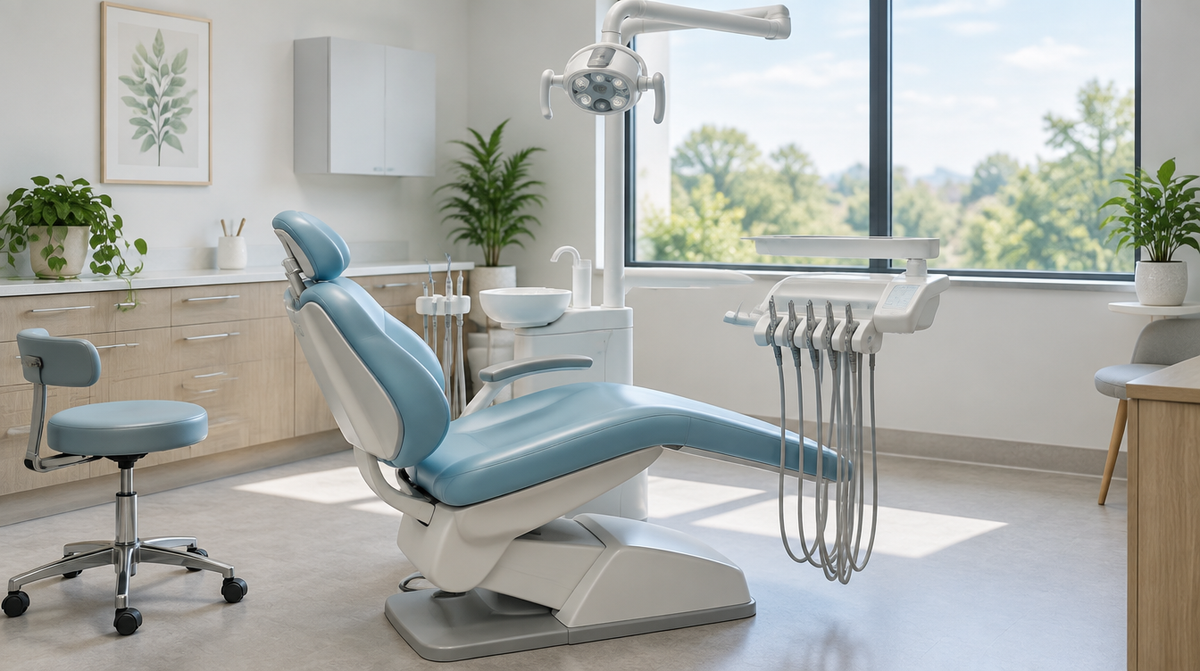
In-chair whitening gives the fastest result: a dental professional applies a strong whitening gel, often with a light, and healthdirect says you should have whiter teeth after one appointment. The downsides are cost, the appointment itself, and the chance of sensitivity to cold or irritated gums straight afterwards; healthdirect advises seeing your dental professional if that lasts more than 1 or 2 days.
- Pros: one visit, a dental professional checks your teeth first, and only registered dental professionals can use the strongest gels.
- Cons: the most expensive option; stains deep inside a tooth will not lift with a gel on the outside. See how much teeth whitening costs in Australia.
What are the pros and cons of take-home trays from a dentist?
Take-home trays combine dentist supervision with treatment at home. Your dental professional makes thin trays that fit your teeth and gives you gel at the strength that suits you. healthdirect notes this takes longer than in-chair whitening, but that does not make the final result better or worse. Expect to pay a similar amount to in-chair whitening, with appointments for fitting and checks.
What are the pros and cons of an LED whitening kit?
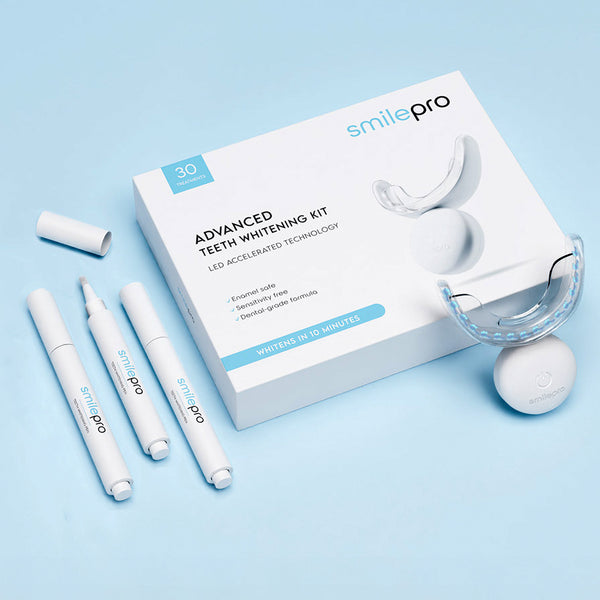
An LED kit lets you whiten at home in short daily sessions. With the SmilePro Advanced Teeth Whitening Kit you paint the gel onto your teeth with a pen, then use the blue and red LED light for 10 minutes, once a day for 7 days, for up to 8 shades whiter. A session can be up to three 10-minute cycles if you want to push it. The gel is 6% hydrogen peroxide with potassium nitrate, enamel-safe and Sensitivity-free, and the Kit has a 30-day money-back guarantee (conditions apply).
- Pros: costs far less than the dentist, takes 10 minutes a day, and the light switches itself off after 10 minutes.
- Cons: you need to stick with it for 7 days, then top up every 2 weeks; it will not whiten crowns, veneers or fillings; quality varies between brands, so check what is in the box and read the reviews.
Want the details? Read does LED teeth whitening really work?
What are the pros and cons of whitening strips?
Strips are the simplest option: no light, no trays, nothing to set up. SmilePro Teeth Whitening Strips take 30 minutes once a day for a 7-day course and whiten up to 5 shades; the pack's other 7 treatments are top-ups, one every 2 weeks. The trade-off is time and size of change: 30 minutes a treatment against 10 for the Kit, and up to 5 shades against up to 8. Compare them in whitening strips vs LED kit.
What are the pros and cons of whitening toothpaste?
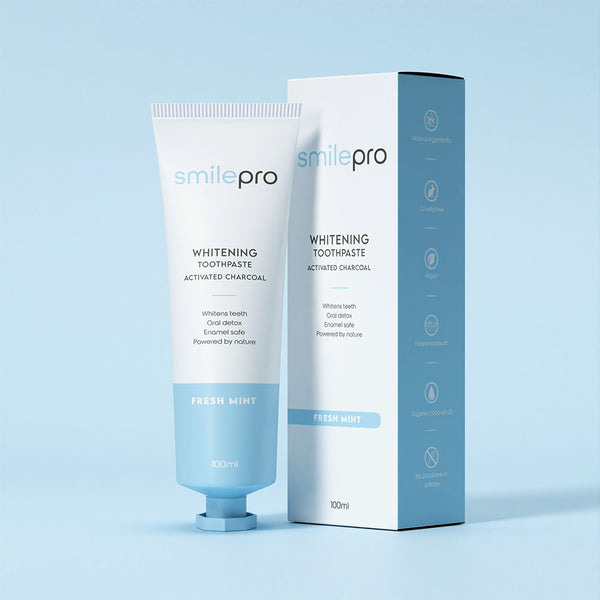
Whitening toothpaste fits into your daily brushing and, healthdirect says, can reduce stains on the outside surface of your teeth. It will not change their natural shade, and healthdirect notes that whitening toothpaste can make teeth sensitive, so use it with a soft toothbrush. SmilePro Whitening Toothpaste, with activated charcoal, helps lift everyday surface stains between treatments.
Which teeth whitening option is right for you?
If your teeth are sensitive or your gums are not healthy, see a dentist before choosing any option.
- The biggest change in one visit: in-chair whitening at the dentist.
- Whitening at home in short sessions: an LED kit. Read at-home vs dentist teeth whitening.
- Travel and top-ups: whitening strips.
- Everyday stain control: whitening toothpaste.
- Crowns or veneers at the front: read does teeth whitening work on crowns and veneers? first.
- Sensitive teeth: read teeth whitening for sensitive teeth.
- An event coming up: read how to whiten teeth fast.
How long do teeth whitening results last?
No whitening is permanent, whichever option you choose: how long it lasts depends on how quickly new stains build up. With the SmilePro Kit, a 10-minute top-up every 2 weeks, or once a week if you drink a lot of coffee, tea or red wine, keeps your result going. After each treatment, wait 1 hour before eating or drinking anything except water. More in how long does teeth whitening last?
SmilePro whitening products are not suitable for anyone under 18, or anyone pregnant or breastfeeding. If you have sensitive teeth or unhealthy gums, see a dentist first.
Sources
This guide is general information, not dental advice. If you have any concerns about your teeth or gums, speak to a dentist.
- healthdirect Australia, Teeth whitening, last reviewed February 2025.
- SmilePro product information: Advanced Teeth Whitening Kit, Teeth Whitening Strips, Whitening Toothpaste, and our Terms and Conditions.
Last updated: 8 October 2026.

Leave a comment
This site is protected by hCaptcha and the hCaptcha Privacy Policy and Terms of Service apply.